
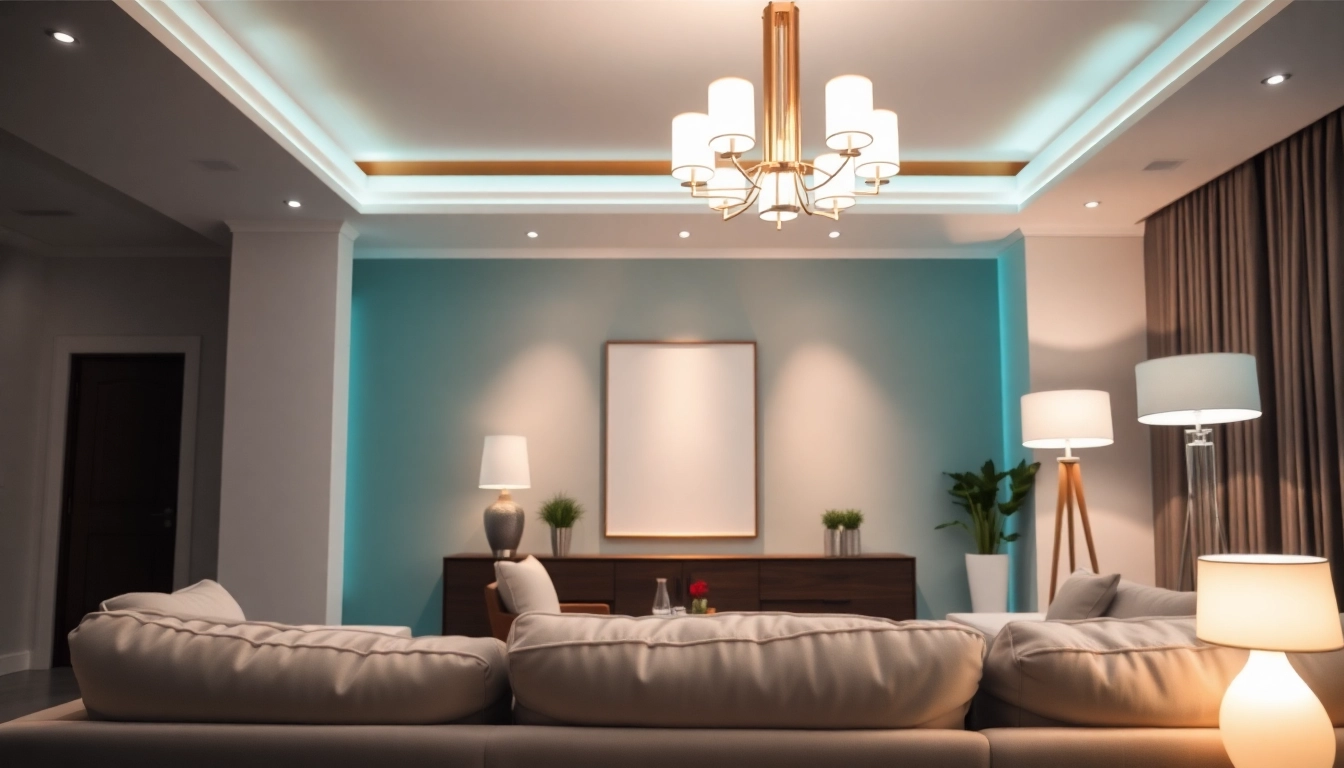
The Importance of Lighting in Modern Spaces
In the realm of interior design, lighting plays a pivotal role that goes beyond mere functionality. The right lighting can transform an ordinary space into a haven of comfort and style. By integrating various light sources strategically, one can enhance the ambiance, create focal points, and utilize space effectively. For those looking to elevate their surroundings, consider how modern lighting can redefine your home. Strike the right balance between form and function by exploring your options and find the best pieces at Shop ModernLighting.
Understanding Lighting and Ambiance
Lighting is essential in setting the mood in any space. The interplay of light and shadow can evoke different emotions and reactions. Warm lights tend to create a cozy and inviting atmosphere, making them perfect for living rooms and bedrooms. Conversely, cooler lights can instill a sense of focus and energy, ideal for workspaces and kitchens. Understanding the psychological effects of light on human perception allows homeowners to curate environments that enhance their lifestyle and productivity.
How Lighting Affects Aesthetics
From highlighting architectural features to accentuating textures, lighting profoundly impacts the overall aesthetic of a room. Spotlighting artwork or a beautiful piece of furniture can draw attention and admiration. The right fixtures can also complement a room’s décor style, whether it’s modern, traditional, or eclectic. By carefully selecting lighting styles and placements, homeowners can create a visually stunning narrative within their spaces that reflects their personal taste.
Practical Benefits of Good Lighting
Beyond aesthetics, good lighting offers numerous practical benefits. Proper illumination prevents eye strain and headaches, particularly in spaces that require prolonged attention, like home offices. Furthermore, appropriate lighting can create an illusion of space, making small areas feel more expansive. Energy-efficient lighting solutions can significantly reduce electricity costs while providing optimal brightness, demonstrating that functional lighting can also be economical.
Types of Modern Lighting to Consider
Understanding the different types of modern lighting is essential for making informed choices. Each type serves unique purposes, catering to various needs and preferences. Here’s a breakdown of popular modern lighting options:
Pendant and Chandelier Options
Pendants and chandeliers are often the statement pieces of any room. They serve both functional and aesthetic purposes, illuminating spaces while adding a touch of elegance. Pendants can be installed individually or in clusters to enhance visual interest. Chandeliers come in various designs—from ornate and traditional to sleek and minimalistic—providing options for every décor theme. Consider hanging these fixtures over dining areas or in large entryways to create a captivating focal point.
Floor and Table Lamps for Versatility
Offering both functionality and flexibility, floor and table lamps are perfect for adding layers to your lighting design. They can be easily moved to different locations as needs change, providing task or ambient lighting wherever necessary. Table lamps can also serve as decorative accents, showcasing unique designs and materials that enhance the room’s overall look. For a modern twist, consider adjustable lamps that allow users to direct light where it’s most needed.
Wall Sconces and Accent Lighting
Wall sconces and accent lights are fantastic for creating depth and dimension. By illuminating walls and architectural features, they add a polished touch to the décor. Sconces can be used to highlight artwork, employ indirect lighting techniques, or even provide task lighting in hallways and bathrooms. Accent lighting can shift the focus to specific areas, enhancing visual appeal while maintaining practicality in a space.
Choosing the Right Modern Lighting for Your Home
Selecting appropriate lighting requires a thoughtful approach that considers your space’s unique characteristics and needs. Here are key factors to evaluate:
Assessing Your Space and Needs
Before diving into shopping for lighting fixtures, assess your rooms. Determine the functional needs—whether you require bright task lighting, gentle ambient light, or feature-focused accent lighting. Consider the size and layout of your space: smaller rooms may need lighter fixtures to avoid feeling cramped, while larger areas can incorporate more substantial statement pieces. Your home’s overall style and color scheme should also inform your lighting choices to ensure seamless integration.
Color Temperature and Its Impact
Understanding color temperature is crucial when selecting bulbs for your fixtures. Measured in kelvins (K), color temperature influences the feel of a room. Warm white (2700K-3000K) is inviting, making it a great choice for living spaces, while cooler whites (3500K-4100K) can enhance concentration in work areas. Incorporating a mix of color temperatures can create a balanced ambiance throughout your home.
Combining Different Lighting Types
Layering different types of lighting ensures a well-lit and aesthetically pleasing environment. Aim for a combination of ambient, task, and accent lighting in each room. For instance, a living room can utilize a central ceiling fixture for ambient light, floor lamps for reading, and wall sconces to highlight art. By harmonizing various light sources, you enhance functionality and create an inviting space that adapts to multiple activities.
Installation Tips for Modern Lighting Fixtures
Proper installation is crucial for safety and optimal functionality. Here are some tips to consider when setting up your modern lighting fixtures:
DIY Installation vs. Professional Help
Deciding whether to install lighting fixtures yourself or hire a professional depends on your comfort level and the complexity of your project. Simple replacements might be manageable for DIY enthusiasts, but more complex installations, such as chandeliers or recessed lighting, may require professional assistance. Hiring an electrician ensures safety and adherence to local building codes, which is especially essential in older homes.
Safety Considerations during Installation
Safety should always be a priority when dealing with electrical installations. Before beginning, turn off the power at the circuit breaker to avoid shocks. Use non-conductive tools and follow the manufacturer’s installation instructions closely. If at any point you feel unsure, don’t hesitate to consult or hire a professional electrical contractor to ensure safe and correct installation.
Maintenance Tips for Longevity
To keep your modern lighting fixtures in prime condition, regular maintenance is essential. Dust and clean fixtures periodically to prevent buildup, which can dim light output and affect aesthetics. Replace burnt-out bulbs promptly, and consider using LED options for longer lifespan and energy efficiency. Additionally, inspect fixtures for any signs of damage or wear, and address issues immediately to ensure safety and longevity.
Frequently Asked Questions About Modern Lighting
What is the best type of lighting for small spaces?
For small spaces, use multi-functional fixtures like wall sconces or pendant lights. Opt for brighter, cooler bulbs to create a sense of openness and utilize mirrors to enhance light reflection.
How do I choose the right size chandelier for my room?
To find the ideal chandelier size, add the length and width of the room in feet; this number (in inches) indicates the chandelier’s diameter. Ensure it’s proportional to furniture and ceiling height.
Can modern lighting reduce energy costs?
Yes, modern LED lighting consumes less energy than traditional bulbs, reducing electricity bills. Additionally, smart lighting options enhance efficiency through automated controls.
What materials should I consider for modern fixtures?
Choose materials that complement your décor, such as metal for a sleek look or wood for warmth. Opt for high-quality materials like glass or ceramic for durability and aesthetic appeal.
How can I create a layered lighting effect?
Mix ambient, task, and accent lighting to establish a layered effect. Use overhead lights for general illumination, table lamps for tasks, and sconces to enhance focal points.


