Understanding Stress and Anxiety
What Are Stress and Anxiety?
Stress and anxiety are two interconnected emotional responses that impact millions of individuals worldwide. Stress is the body's natural reaction to external pressures or demands, triggering a "fight or flight" response. When faced with a challenge—be it personal, professional, or environmental—our bodies release hormones like adrenaline and cortisol. These hormones prepare us to confront the issue at hand. On the other hand, anxiety is a feeling of worry, nervousness, or unease, often about an imminent event or something with an uncertain outcome. While both can be beneficial in small doses, chronic stress and anxiety can lead to significant mental and physical health issues. Understanding these phenomena is vital for effective management, particularly when they escalate into chronic conditions that may require intervention. For more insights on managing stress and anxiety, you can visit stress and anxiety.
Common Symptoms of Stress and Anxiety
The symptoms of stress and anxiety can vary from person to person, but there are common physical, emotional, and behavioral signs to watch for.
- Physical Symptoms: These might include headaches, fatigue, muscle tension, rapid heartbeat, and stomach problems.
- Emotional Symptoms: Feelings of overwhelm, irritability, restlessness, and a sense of impending doom may manifest.
- Behavioral Changes: Changes in sleep patterns, increased use of alcohol, drugs, or tobacco, and withdrawal from social interactions can indicate rising stress and anxiety levels.
It’s essential to recognize these signs early, as they can worsen and result in more severe conditions, including depression and chronic illnesses if unchecked.
How Stress and Anxiety Affect the Body
Aside from affecting mental well-being, stress and anxiety can lead to several physical health issues. Chronic stress may result in cardiovascular problems such as hypertension and heart disease. It can also impair the immune system, making individuals more susceptible to infections. Moreover, digestive issues, including irritable bowel syndrome, can arise.
Moreover, prolonged periods of stress and anxiety can interfere with hormonal balance, leading to problems such as weight gain or loss. The reproductive system can also be affected, resulting in menstrual irregularities or decreased libido in men and women alike. Protecting the body from chronic stress and anxiety is essential for maintaining overall health and wellness.
Practical Techniques for Stress and Anxiety Management
Deep Breathing Exercises
Deep breathing exercises are an effective way to help manage stress and anxiety. These techniques promote relaxation and reduce tension by increasing oxygen flow and activating the body’s relaxation response. To practice deep breathing:
- Find a comfortable, quiet place where you can sit or lie down.
- Close your eyes and take a deep breath in through your nose, allowing your abdomen to expand.
- Hold your breath for a count of three.
- Slowly exhale through your mouth, releasing any tension.
Repeat this exercise for 5-10 minutes, focusing solely on your breathing and letting go of any distractions.
Mindfulness Meditation Practices
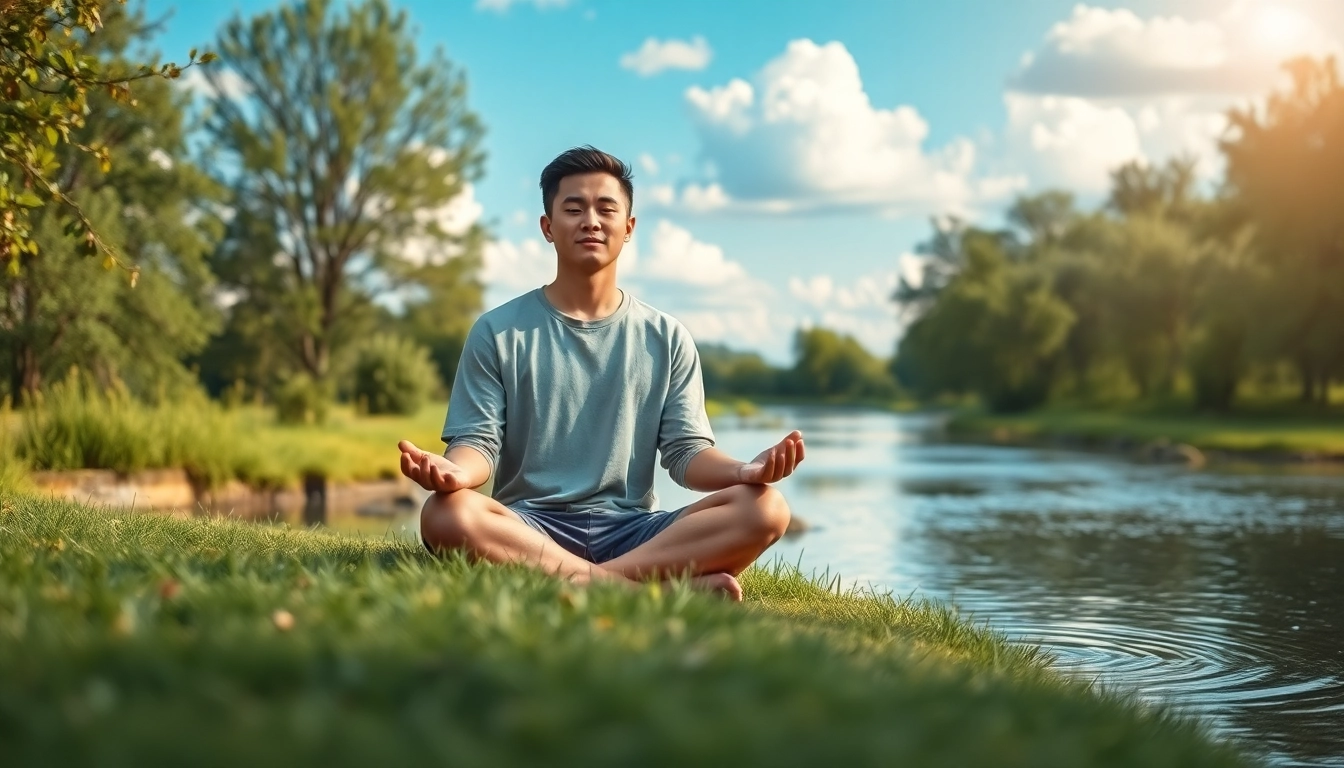
Mindfulness meditation involves focusing your mind on the present moment, acknowledging thoughts and feelings without judgment. This practice can significantly reduce stress and anxiety by promoting a sense of awareness and acceptance. To start a mindfulness meditation practice:
- Choose a quiet and comfortable space.
- Sit in a relaxed position and close your eyes.
- Take a few deep breaths to center yourself, then focus on your breath or a specific mantra.
- Whenever your mind wanders, gently redirect it to your breath without self-judgment.
Engaging in mindfulness meditation for just 10 minutes a day can greatly improve emotional resilience and overall mental health.
Physical Activities That Help
Physical activity is a powerful antidote to stress and anxiety. Exercise releases endorphins, the body's natural mood lifters. Regular physical activity also improves sleep, boosts self-confidence, and minimizes the effects of stress. Consider incorporating the following types of exercise into your routine:
- Cardiovascular Activities: Running, cycling, or swimming can significantly elevate your mood.
- Yoga and Tai Chi: These practices combine movement with breath control and can enhance relaxation.
- Strength Training: Lifting weights or engaging in bodyweight exercises can relieve stress and improve body image.
Find an activity you enjoy, as you’re more likely to stick with it in the long run.
The Role of Nutrition in Managing Stress and Anxiety
Foods That Combat Stress
Nutrition plays a critical role in managing stress and anxiety. Certain foods can positively impact mood and mental well-being. Here are some beneficial choices:
- Omega-3 Fatty Acids: Found in fatty fish like salmon, these are known to reduce stress hormones and inflammation.
- Antioxidant-Rich Foods: Berries, dark chocolate, and leafy greens can combat oxidative stress and improve brain health.
- Whole Grains: Complex carbohydrates help stabilize blood sugar levels and promote serotonin production, enhancing mood.
By making conscious dietary choices, we can enhance our resilience to stress and anxiety.
Hydration and Its Importance
Staying hydrated is essential for optimal physical and mental functioning. Dehydration can lead to increased feelings of anxiety and stress. Our brains require adequate water intake to function efficiently. Aim to drink at least 8 glasses of water daily, adjusting according to activity level and climate. Incorporate hydrating foods, such as cucumbers, oranges, and celery into your diet to enhance hydration as well.
Supplements to Consider
While a balanced diet is the ideal way to meet nutritional needs, certain supplements may be beneficial in managing stress and anxiety. Consider discussing the following with a healthcare provider:
- Magnesium: May help in managing anxiety and improving sleep quality.
- Vitamin B Complex: Essential for energy production and neurological health.
- Omega-3 Supplements: If fish intake is low, oil supplements can provide a necessary boost.
Always consult a medical professional before starting any supplement to ensure safety and efficacy.
Creating a Supportive Environment
Building a Support Network
Social support is crucial in managing stress and anxiety. Building a network of friends, family, or support groups can provide reassurance and guidance during challenging times. Engaging in open discussions about feelings and experiences can help alleviate feelings of isolation and loneliness. Consider active participation in community events or online forums to connect with those who share similar experiences.
Organizing Your Space for Calm
Your physical environment can significantly affect your mental state. A cluttered and disorganized space often leads to increased feelings of stress. Create a calming sanctuary at home by decluttering and organizing your environment. Consider incorporating plants, soothing colors, and soft lighting, which can promote tranquility and comfort.
Establishing Healthy Boundaries
Learning to say no and establishing healthy boundaries is vital for maintaining mental wellness. Overcommitting can lead to increased stress and anxiety. Reflect on your personal limits and communicate them to others, ensuring you acknowledge your own needs. This practice not only helps manage stress but also cultivates self-respect and awareness.
Long-term Strategies for Resilience Against Stress and Anxiety
Developing Emotional Intelligence
Emotional intelligence involves recognizing and understanding your emotions and those of others. Developing this skill can significantly enhance your resilience against stress and anxiety. Practice active listening, empathy, and self-reflection to improve your emotional awareness. Consider journaling as a tool for exploring your feelings, which can lead to greater self-understanding and emotional regulation.
Setting Realistic Goals
Unrealistic expectations often lead to frustration and disappointment, further exacerbating stress and anxiety. Set achievable, incremental goals rather than overwhelming yourself with monumental aspirations. Utilize the SMART criteria—Specific, Measurable, Achievable, Relevant, and Time-bound—to establish goals that are realistic and inclusive of self-care practices.
When to Seek Professional Help
If your stress and anxiety become overwhelming and start interfering with daily activities or quality of life, it’s essential to seek professional help. Therapists and counselors can offer support, coping strategies, and potential treatment options tailored to individual needs. Early intervention can prevent the progression of mental health issues and promote recovery.
Frequently Asked Questions
How does stress affect my physical health?
Stress can lead to numerous physical health issues such as headaches, digestive problems, and weakened immune response, making your body more susceptible to illness.
What are quick ways to manage anxiety?
Techniques such as deep breathing, grounding exercises, and mindfulness meditation can quickly lessen anxiety, helping to regain emotional control and calm.
How can exercise reduce stress?
Exercise releases endorphins, which are chemicals in your brain that act as natural painkillers and mood elevators, providing relief from stress and anxiety.
Are there foods that can help reduce anxiety?
Yes, foods rich in omega-3 fatty acids like salmon, and antioxidants like berries, can help combat anxiety and promote mental well-being.
When should I consider therapy for stress and anxiety?
If stress and anxiety interfere with your daily life or lead to overwhelming feelings, seeking therapy can provide invaluable support and coping strategies.