Understanding PPF Winter Road Salt Protection
What is PPF?
Paint Protection Film (PPF) is a clear, durable urethane film applied to a vehicle's exterior surfaces, designed to protect against scratches, chips, and other environmental damage. PPF serves as a barrier, safeguarding the car's paintwork from harmful elements. Particularly for those in regions where winter road salt is prevalent, this film is crucial for preserving a vehicle's appearance and value. With the application of PPF, vehicle owners can enjoy the aesthetic appeal of their cars while ensuring long-lasting protection.
How Road Salt Affects Your Vehicle
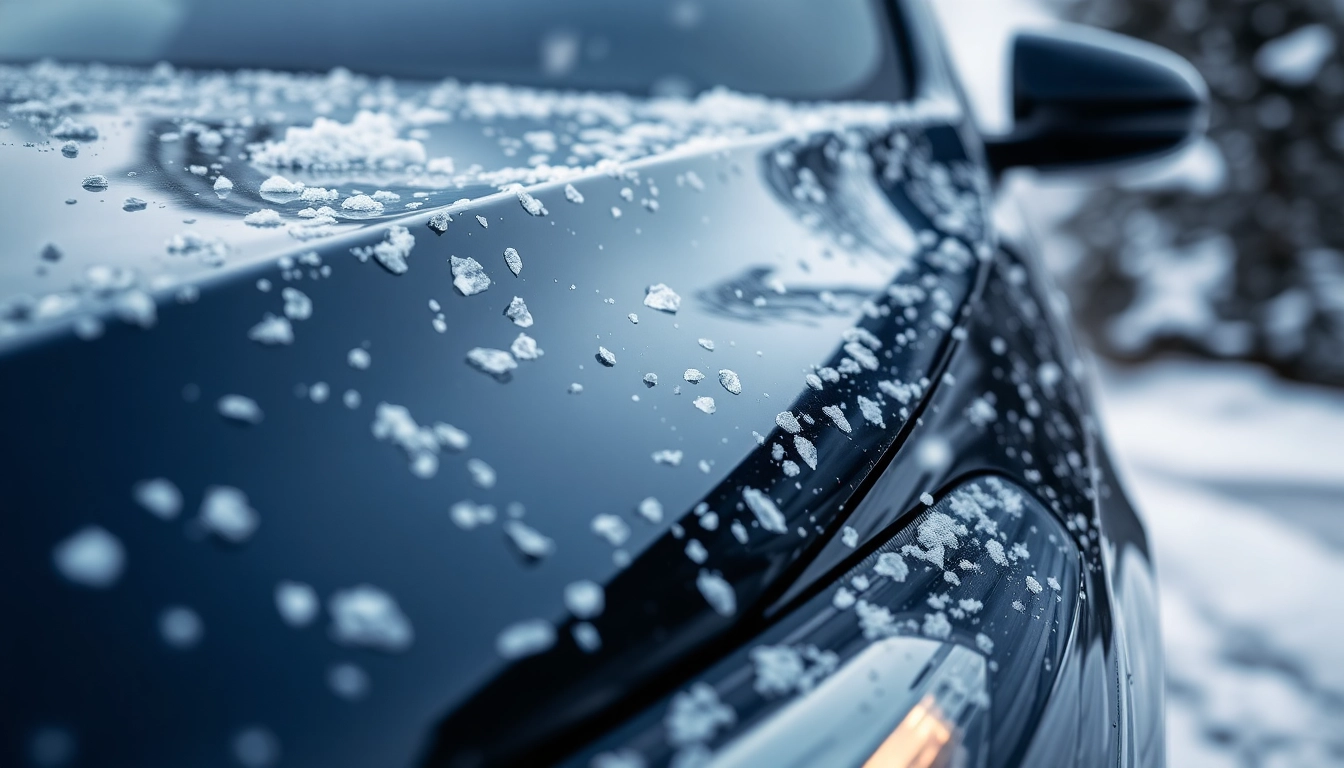
Road salt is a common enemy for vehicles, especially during winter months. It is used to melt ice and snow, enhancing road safety but wreaking havoc on your vehicle's integrity. The corrosive properties of salt can lead to rust formation, especially on metal surfaces, including the undercarriage, wheel wells, and body panels. Over time, this can result in structural damage, decreased resale value, and costly repairs. Recognizing the dangers of winter road salt is imperative for proactive car maintenance.
Benefits of PPF in Winter
Applying PPF during winter offers numerous advantages. Firstly, it creates a protective layer that helps to prevent road salt from adhering strongly to the paint. This can save vehicle owners a significant amount of time and money on detailing and repairs associated with corrosion. Additionally, PPF is resistant to UV damage, meaning that even if the sun shines on snowy days, the vehicle's paint remains vibrant. Furthermore, PPF is self-healing, which means minor abrasions from road debris can mend themselves over time, maintaining a flawless appearance. For those seeking PPF winter road salt protection, these benefits are indispensable.
Choosing the Right PPF for Winter Conditions
Types of PPF Available
There are several types of paint protection films available, each designed for specific needs and preferences. The most common types include:
- Self-Healing PPF: This type tends to be more flexible and can heal minor scratches when exposed to heat.
- Matte Finish PPF: Ideal for vehicles with a matte finish, this PPF maintains the unique appearance while providing protection.
- Gloss Finish PPF: This option enhances gloss and shine, making it ideal for those who prioritize aesthetics alongside protection.
- Clear Bra: Specifically designed for the front areas of the vehicle, this is a popular choice among car enthusiasts.
Key Features to Look For
When selecting PPF, consider the following key features to ensure optimal performance:
- Thickness: A thicker film generally provides better protection against impacts and abrasion.
- Adhesive Quality: High-quality adhesive is essential for longevity and ease of application without bubbles.
- Warranty: Look for films that come with a manufacturer’s warranty as it reflects confidence in the product's durability.
- UV Resistance: Ensure the film offers UV blocking properties to protect your vehicle's paint from fading.
Cost Considerations
The cost of PPF can vary widely based on quality, brand, and the area of the vehicle where it will be applied. A full-wrap can be a significant investment, generally ranging from $1,500 to $5,000. If you're focusing on areas most susceptible to damage, such as the front end or bumpers, this can lower the cost while still providing essential protection. Additionally, consider the potential savings from avoided repairs and maintenance in the long run.
Application Process for PPF Winter Road Salt Protection
DIY vs. Professional Installer
While applying PPF can be a DIY project, it’s often recommended to hire a professional. Professionals have the experience and tools necessary to apply the film without bubbles or imperfections. DIY application can lead to mistakes that may compromise the effectiveness of the PPF, especially given the challenges of ensuring a proper seal, especially around curves and edges.
Preparation and Installation Steps
For those opting for professional installation, the usual preparation steps include:
- Surface Cleaning: The vehicle must be thoroughly washed and dried to remove any contaminants.
- Paint Correction: Existing scratches or imperfections need to be corrected as PPF will seal these in.
- Film Cutting: The PPF is then cut to size; professionals often use templates for accurate fit.
- Application: The film is applied using a combination of water and slip solution to ensure positioning without bubbles.
- Bonding: After smoothing out the film, it is allowed to cure so that the adhesive bonds securely to the paint.
Post-Installation Care
Once PPF is installed, proper care is essential. Avoid washing the vehicle for at least 48 hours post-application to allow the adhesive to fully bond. In the initial weeks, refrain from using automatic car washes or high-pressure washers, as these can dislodge the film. Instead, opt for gentle hand washes.
Maintaining Your PPF During Winter
Cleaning and Maintenance Tips
To maintain the integrity of PPF throughout winter months, regular cleaning is crucial:
- Use pH-Neutral Cleaners: Choose cleaners specifically designed for automotive surfaces to avoid damaging the PPF.
- Soft Cloths: Always use soft microfiber towels or sponges to prevent scratching the film.
- Regular Inspections: Frequently check for signs of wear, lifting edges, or damage, especially before or after heavy snowfall.
Avoiding Common Mistakes
Some common mistakes vehicle owners make include:
- Using harsh chemicals or abrasive materials during cleaning, which can dull the surface of the film.
- Neglecting to inspect the film regularly for damage or edges lifting.
- Failing to address minor chips or abrasions promptly, which can lead to larger problems.
Signs You Need Replacement
After installation, it's important to recognize the signs that PPF may need replacing:
- Severe Discoloration: If the film turns yellow or becomes opaque, it may be time for a replacement.
- Peeling Edges: If edges start to lift or peel, this can compromise effectiveness.
- Cracks or Tears: Visible cracks or tears are indicative of a need for replacement to ensure continued protection.
Frequently Asked Questions about PPF Winter Road Salt Protection
How long does PPF last in winter?
Generally, high-quality PPF can last between 5 to 10 years, with proper maintenance ensuring its longevity even in harsh winter conditions.
Can I apply PPF over existing scratches?
While PPF can cover minor scratches, it's advisable to correct any significant damage before application for the best appearance and protection.
Is PPF worth the investment?
Yes, PPF is a worthwhile investment for maintaining your vehicle's appearance and value, especially in areas where road salt is used.
How does PPF compare to wax?
Unlike wax, which provides temporary protection, PPF offers a durable, long-term shield against abrasions, chips, and harsh weather elements.
Can I wash my car after applying PPF?
It's best to wait at least 48 hours after PPF application before washing to allow the adhesive to set properly.